
- Coverage119 ZIP codes · 2 counties
- HoursOpen 24/7
Wine Cooler Repair Near Me, Across Long Island
How the visit is charged
The diagnostic fee is credited against the repair
Answered 24/7Three-hour arrival window90-day parts warranty
- Diagnosis
- The fault is found before anything is quoted
- Approval
- Work starts only after your yes
- Hours
- Phones answered 24/7
- Warranty
- Parts 90 days · labor 30 days
Request a Repair
Two short steps. No cost and no obligation to book.
- Answered 24/7
- 3-hour arrival window
- Price approved first
- EPA 608 refrigerant handling
- 90-Day Parts & 30-Day Labor Warranty
- Open 24/7
- 119 ZIP codes covered
The wine cooler in figures
- Usual visit length
- 1–2 hours
- Faults on file
- 40
- Makes we work on
- 17
Anatomy · Wine Cooler
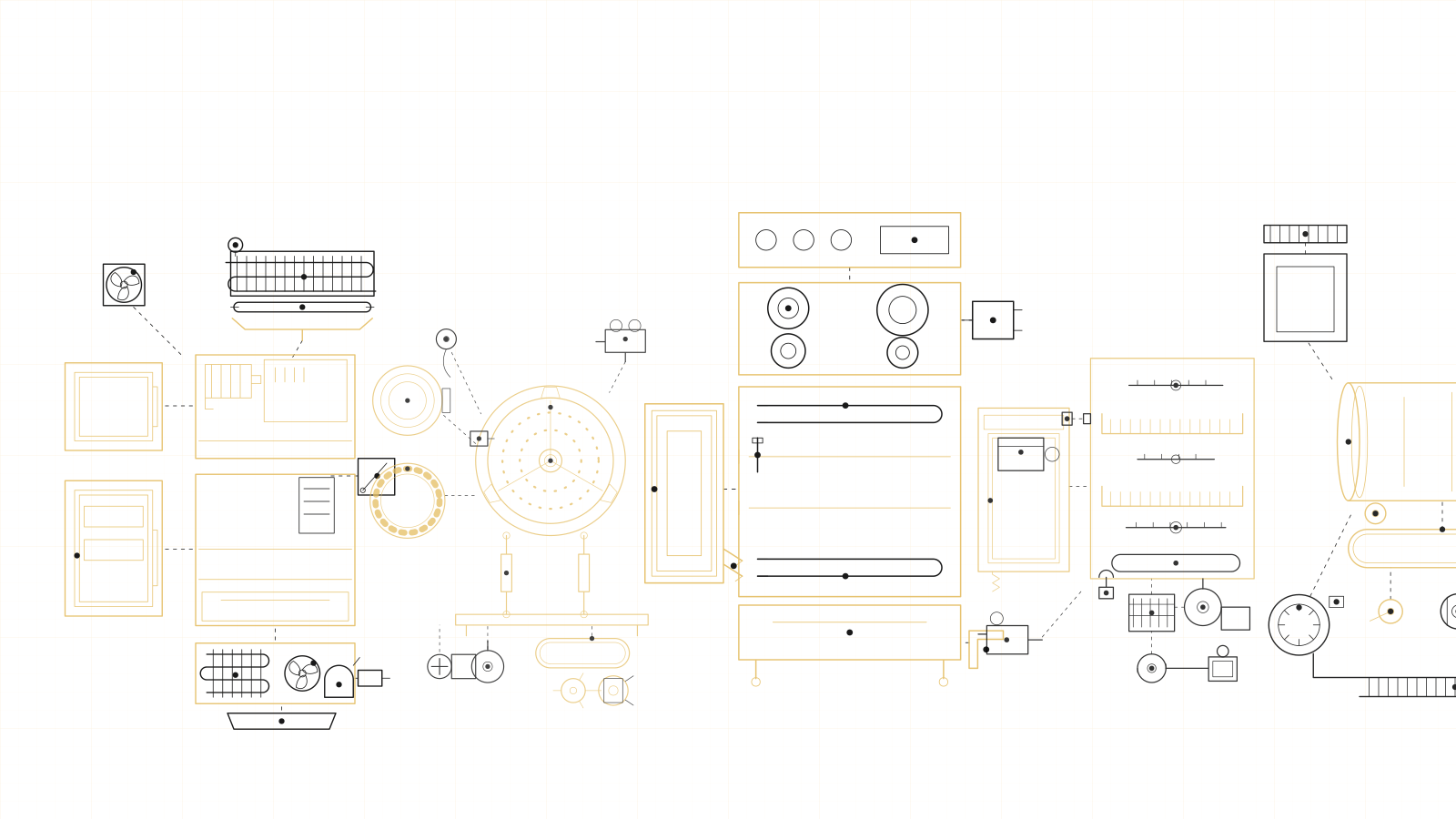
The parts of a wine cooler that wear out first
- 01Door gasketA cabinet held to a narrow range cannot tolerate a leaking gasket: moisture forms inside and the compressor never cycles off.
- 02Glass door and hingeA drooping hinge keeps the door from closing squarely, and a failed glazing seal leaves permanent fog between the panes.
- 03Evaporator plateIt frosts up, or runs cold enough to strip humidity from the cabinet and dry out the corks.
- 04Circulation fanThis fan is why both shelves read alike; when it stops, the top of the cabinet sits several degrees warmer than the bottom.
- 05Zone divider and damperIn a dual-zone cabinet this is what separates the two temperatures, and the part to check when only one zone cools.
- 06Condenser coilBuilt in without clearance, it clogs quickly, and on a warm day the cabinet can no longer reach serving temperature.
- 07Condenser fanA slowed fan gives no warning; it simply makes the compressor work harder until that fails as well.
- 08Compressor and anti-vibration mountsHardened mounts pass every compressor start into the racks, which matters more in a wine cabinet than anywhere else.
- 09Thermistor and control boardReading a degree or two off, it holds the cabinet steadily at the wrong temperature.
- 10Condensate tray and drainWhen blocked it overflows at the rear instead of evaporating, usually noticed as a damp patch rather than a puddle.
Sequence of checks
Where a technician starts on a wine cooler
- What we test, in turn
- the door seal and the surrounding conditions are assessed before the cooling system — a cabinet that cannot hold temperature is often battling its environment rather than breaking down
- The symptom owners misjudge
- thermoelectric coolers measured against compressor models, when their temperature drop is capped by design and a warm room simply outruns it
- Why Long Island matters here
- built-in wine storage in finished basements and home bars, where summer humidity, a damp lower floor and tight ventilation clearances frequently explain the whole problem
Fault register · 40 entries
The wine cooler failures behind most of our calls
01
Cabinet Warming to Room Temperature
Priority: highThe interior is at or close to room temperature and the bottles feel no cooler than the kitchen. Either the cooling system has stopped altogether, or it is running without moving heat out of the cabinet.
- Likely origins
- compressor or thermoelectric module not running · failed interior or condenser fan · control board or thermostat not calling for cooling · start relay or capacitor failed · refrigerant leak on compressor models
- The fix
- We identify whether the unit is compressor or thermoelectric, then check whether the cooling device and its fans receive power and run. The control's demand signal and the sensor feeding it are tested. On compressor models, the start components and sealed system are assessed. Once the failed part is replaced, cabinet temperature is logged until it settles at the setting.
02
Settling Above the Set Temperature
Priority: mediumThe cooler runs and the cabinet is cooler than the room, yet it levels off several degrees above the setting. The system is working but cannot remove heat quickly enough to keep up.
- Likely origins
- condenser coils or vents blocked with dust · condenser fan running slowly · door gasket leaking · unit installed without ventilation clearance · evaporator partly iced
- The fix
- We measure cabinet temperature in the middle of the racking and compare it with the setting and the room. Vents, condenser and fans are inspected and cleaned, the gasket checked, and the installation clearances reviewed against the manual. Restrictions are removed and worn parts replaced. The cabinet is logged again to confirm it reaches the setting.
03
Temperature Swinging Over the Day
Priority: mediumThe display or a thermometer shows the cabinet drifting several degrees up and down through the day. Repeated swings push wine in and out of the bottle past the cork, which matters far more than the average temperature.
- Likely origins
- thermostat or sensor with a wide differential · door opened often or not sealing · room temperature swinging widely · fan stopping intermittently · compressor short-cycling
- The fix
- We log cabinet temperature with an independent probe over several hours to see the size and pattern of the swings. The sensor, fans and door seal are tested, and the room temperature noted. The faulty component is repaired or the control adjusted where it allows. A second log confirms the cabinet now holds within a narrow band.
04
Door Gasket Worn or Split
Priority: mediumThe gasket has torn, hardened or flattened, and warm room air slips into the cabinet. Condensation, longer run times and temperature drift follow.
- Likely origins
- age and flexing · tear from bottles or racks · gasket hardened by cleaning products · gasket shrunk away from the corners · magnetic strip weakened
- The fix
- We inspect the gasket along its full length and run a paper test at intervals around the door. A replacement gasket is fitted and shaped so it seals at the corners, which is where wine cooler gaskets most often fail. Door alignment is checked at the same time. The seal is retested once the new gasket has settled.
05
Interior or Condenser Fan Stopped
Priority: highA fan inside the cabinet spreads cold air over the bottles, and one at the back or base moves heat away from the condenser or thermoelectric heat sink. If either stops, cooling falls off quickly.
- Likely origins
- seized fan motor bearing · blade obstructed · failed motor winding · loose connector · control not powering the fan
- The fix
- We check each fan in turn for power and rotation, turning blades by hand to feel for bearing drag. Any motor that is seized or electrically open is replaced with the correct voltage and airflow rating. Blades are cleaned and secured. With the unit reassembled, we confirm both fans run during cooling and the cabinet temperature responds.
06
Compressor Silent
Priority: highThe cabinet is warming and there is no compressor hum, although lights and controls work. The compressor is not being started or cannot start.
- Likely origins
- failed start relay or overload · control or thermostat not calling for cooling · compressor winding open · loose connection at the compressor · low supply voltage
- The fix
- We check the control's demand signal, then test the start relay, overload and capacitor at the compressor. Winding resistance is measured. Any start component that tests out of specification is renewed. Where the compressor proves to be the failure, its replacement cost is set against the cooler's value before any sealed-system work. A started compressor is observed through several cycles.
07
Holding the Wrong Temperature Steadily
Priority: mediumThe cooler holds a steady temperature, but not the one selected, whether a few degrees warmer or colder. Regulation is working around the wrong target, which points to the sensor, the thermostat or the control's calibration.
- Likely origins
- temperature sensor drifted out of tolerance · sensor displaced from its clip · control calibration offset · thermostat bulb out of position · door seal leak biasing the reading
- The fix
- We place an independent probe among the bottles and compare it with the setting over several cycles. The sensor is tested against its resistance chart and resecured in its clip, and the calibration offset adjusted where the control permits. A drifted sensor or thermostat is replaced. A logged run confirms the cabinet now settles at the selected temperature.
08
Door Not Meeting the Cabinet Squarely
Priority: mediumThe gasket is sound, but the door sits slightly askew and leaves a gap on one side. Hinge wear, a cabinet out of level or a reversed door that was not adjusted are typical causes.
- Likely origins
- cabinet out of level · hinge worn or loose · door reversed without realignment · rack or bottle preventing closure · warped door frame
- The fix
- We level the cabinet, inspect the hinges and check how the door lines up against the cabinet face. Hinges are tightened, shimmed or replaced so the door meets the gasket squarely, and racks are checked for protruding bottles. A paper test around the full door then confirms even contact on every side.
09
Water Leaking From the Cooler
Priority: mediumWater collects on the cabinet floor or beneath the unit. Defrost water normally runs through a drain channel to a tray where it evaporates, so water elsewhere means that path is blocked or overflowing.
- Likely origins
- drain channel blocked · drain tray cracked or misplaced · cabinet not level · condensation from a door leak · evaporator icing and melting
- The fix
- We clear the drain channel at the rear wall and check that the tray beneath the unit is intact and positioned under the outlet. The cabinet is levelled and the gasket inspected for leaks that create excess condensation. Cracked trays or kinked tubes are replaced. Water poured into the channel confirms it reaches the tray.
10
Moisture Beading Inside the Cabinet
Priority: mediumDroplets form on the glass, rear wall or bottles, and labels may start to lift. Some moisture is normal in a wine cooler, but persistent beading means humid room air is getting in or water is not draining.
- Likely origins
- door gasket leak · door opened frequently in a humid room · drain channel blocked · cabinet set very cold for its location · door glass seal failing
- The fix
- We inspect the gasket and run a paper test, then clear and check the drain channel at the rear wall. The setting is reviewed against room conditions, since a very low setting in a humid kitchen invites condensation. Whichever of the seal or drain is at fault is put right. The cabinet is checked after a day of normal use to confirm moisture has reduced.
11
Compressor Running Hot or Labored
Priority: highThe compressor runs, but loudly, for very long periods or with repeated clicking as its overload trips and resets. It is working against a restriction or is beginning to fail.
- Likely origins
- condenser coils clogged · condenser fan failed · weak start capacitor or relay · low supply voltage · worn compressor
- The fix
- We measure compressor current and temperature, check supply voltage and test the start components. The condenser is cleaned and its fan tested, since overheating is the most common cause. Weak start components are replaced. Where the compressor is the part wearing out, the options are discussed with you before any sealed-system work, and run times are checked after the repair.
12
Cabinet Vibrating
Priority: mediumThe cabinet shakes, bottles rattle in the racks, or a hum carries into the floor and the cabinetry around it. Vibration disturbs sediment and is worth correcting even when cooling is fine.
- Likely origins
- levelling feet not adjusted · compressor mounts worn or hardened · fan blade unbalanced · cooler touching surrounding cabinets · weak or uneven floor
- The fix
- We level the cabinet on all feet and check it is not touching walls or cabinetry. Compressor mounts are inspected and replaced if they have hardened, and fans checked for balance. Loose panels are secured. With the cooler running, we feel for vibration at the racks and the floor to confirm it has dropped.
13
Display Blank or Unreadable
Priority: mediumThe temperature display is blank, dim or showing random segments, so the setting cannot be read or changed. The display board, its supply or a connector has failed.
- Likely origins
- failed display board · moisture in the control panel · loose ribbon or connector · control board power supply fault · power surge damage
- The fix
- We check whether the cooler still cools and responds behind the blank display, then measure the supply to the display board. Connectors and ribbon cables are inspected for corrosion. The failed display or control board is replaced. The setting is restored and confirmed against an independent thermometer among the bottles.
14
One Zone of a Dual-Zone Cooler Not Cooling
Priority: highOne compartment holds temperature while the other drifts warm. Each zone has its own sensor and either its own cooling or a damper controlling airflow from a shared system.
- Likely origins
- zone damper stuck closed · zone fan failed · zone sensor fault · thermoelectric module for that zone failed · control board output fault
- The fix
- We confirm how the zones are cooled on your model, then test the zone fan, damper and sensor for the warm compartment. Where each zone has its own thermoelectric module, that module is tested too. The zone's failed fan, damper, sensor or module is renewed. Both zones are logged until they settle at their individual settings.
15
Thermoelectric Cooler Unable to Get Cold Enough
Priority: highA thermoelectric cooler can typically hold the cabinet only about 20 to 25°F below the surrounding room. In a warm kitchen or a summer garage it may be working correctly and still be unable to reach the setting.
- Likely origins
- room temperature too high for thermoelectric cooling · heat sink fan failed · heat sink clogged with dust · thermoelectric module losing efficiency · installed in an enclosed space
- The fix
- We measure room and cabinet temperatures together, which shows whether the cooler is performing within the limits of its design. The heat sink fan and fins are cleaned and tested, and the module's current draw measured. A failed fan or module is replaced. Where the room is simply too warm, we explain the realistic options, including relocating the cooler.
16
Running Too Cold
Priority: highThe cabinet runs well below its setting, and bottles near the rear wall can freeze, pushing corks out or cracking glass. The control is no longer switching the cooling off when the setting is reached.
- Likely origins
- control relay welded · sensor fault · thermostat stuck · setting incorrect · sensor displaced
- The fix
- Raise the setting or switch the cooler off and move bottles away from the rear wall until it is checked. We measure cabinet temperature against the setting and test whether the compressor or module stops on command. A welded control relay, a failed sensor or a stuck thermostat is replaced. Temperature is logged across several cycles to confirm the cabinet now stops at its setting.
17
Thermoelectric Module Failed
Priority: highA thermoelectric cooler has stopped cooling, though its lights and display may still work. These units use a solid-state module and two fans rather than a compressor, so the module, its fans or its power supply is at fault.
- Likely origins
- module failure · fan failure · power supply fault · heat sink clogged · connector loose
- The fix
- We measure the voltage supplied to the module and its current draw, and check that both the interior and heat-sink fans are turning. The heat sink fins are cleaned of dust. A failed module, fan or power supply board is replaced with the matching part. Cabinet temperature is then logged against room temperature to confirm cooling within the unit's design range.
18
Cooler Completely Dead
Priority: highNo lights, no display and no sound from the cooler. Power is not reaching it, an internal fuse has opened, or the power supply board on a thermoelectric unit has failed.
- Likely origins
- tripped breaker or GFCI · failed power supply board · internal fuse open · damaged cord · control board fault
- The fix
- We confirm the outlet and any GFCI, then test the cord and trace power through the internal fuse and power supply to the control. A blown fuse is treated as a sign of another fault, which we look for before replacing it. The fuse, board or cord found at fault is renewed. The cooler is started and observed until the cabinet begins to cool.
19
Display Disagreeing With Actual Temperature
Priority: mediumThe display reports one temperature while a thermometer among the bottles shows another. Either the sensor has drifted, or it sits in a spot, such as near the cooling plate, that does not represent the bottles.
- Likely origins
- sensor drifting · sensor positioned near the cooling plate or door · control calibration offset · failed control board input · thermometer placed incorrectly
- The fix
- We compare readings taken at the sensor and at several points among the bottles over a period of time. The sensor is tested against its resistance chart and replaced if out of tolerance, or repositioned in its correct clip. The control's offset is adjusted where it allows. The display is then checked against our probe after the cabinet stabilizes.
20
Door Hinge Broken or Sagging
Priority: highThe door sags, catches on the cabinet or will not stay closed because a hinge has broken or worn. Because glass doors carry real weight, a weakened hinge may let one drop.
- Likely origins
- hinge pin worn · hinge bracket cracked · screws pulled from the cabinet · door reversed with incorrect parts · door used to support weight
- The fix
- We support and remove the door, then inspect the hinge pins, brackets and the screw anchors in the cabinet. Broken hinges are replaced with the correct parts for the door's opening direction, and stripped screw holes repaired with suitable inserts. The door is rehung and aligned. A paper test confirms it closes evenly against the gasket.
21
Top Shelves Warmer Than the Bottom
Priority: mediumBottles at the top read several degrees warmer than those at the bottom. Cold air sinks, so some stratification is normal, but a large difference suggests poor circulation.
- Likely origins
- interior fan stopped or slow · racks overloaded blocking airflow · rear vents blocked by bottles · door seal leaking at the top · sensor positioned low
- The fix
- We measure temperature at several shelf heights and check that the interior fan runs at full speed. Bottles blocking the rear vents are moved and racking arrangements reviewed with you. A slow or failed fan is replaced. The temperature profile is measured again afterwards to confirm the difference between top and bottom has narrowed.
22
Running Louder Than When New
Priority: lowThe cooler has become noticeably noisier over time, with a hum, buzz or rattle that was not there before. Fans, compressor mounts and loose panels are the usual sources.
- Likely origins
- condenser fan bearing wear · compressor mounts hardened · fan blade fouled with dust · rear panel loose · tubing rattling against the cabinet
- The fix
- We identify the noise by location with the unit running, checking fans, mounts and panels. Worn fan motors and hardened mounts are replaced, and tubing repositioned. Panels are secured. The unit is run with the door closed to confirm it is back to its normal level.
23
Condensation on the Outside
Priority: mediumMoisture forms on the cabinet or door frame in a humid room. Some is expected in summer; heavy condensation suggests a frame heater fault or a seal leak.
- Likely origins
- high room humidity · frame heater failed · gasket leak · cooler set very cold · poor ventilation
- The fix
- We measure room humidity and the cabinet's surface temperature, then check the gasket for leaks that chill the frame. Where the model has a frame heater, it is tested for continuity and power. A failed heater or worn gasket is renewed. We also advise on a setting and ventilation that suit the room's conditions.
24
Condenser Coils Coated in Dust
Priority: highThe condenser at the back or beneath the cooler is clogged with dust, lint or pet hair, so heat cannot escape. The compressor runs longer and hotter, and the cabinet struggles to reach its setting.
- Likely origins
- dust and lint build-up · pet hair · undercounter unit with a blocked front grille · freestanding unit pushed against a wall · no routine cleaning
- The fix
- We disconnect power and clean the condenser and fan with brush and vacuum, working gently around the tubing. The condenser fan is tested. Ventilation clearances are checked against the installation instructions. Run time and cabinet temperature are checked after cleaning to confirm the improvement.
Further entries on file · 16
- Compressor Short-Cycling
- Compressor Hums Then Trips Out
- Ice Building on the Rear Wall
- Door Not Closing On Its Own
- Interior Too Dry for Cork Storage
- Cannot Reach White-Wine Serving Temperature
- Dual-Zone Temperatures Drifting Together
- Compressor Vibration Reaching the Bottles
- Mechanical Thermostat Failing
- UV-Protective Door Glass Damaged
- Interior Light Out
- Rear Drain Channel Blocked
- Condenser Fan Seized
- Cooler Tripping the Breaker or GFCI
- Freestanding Model Enclosed in Cabinetry
- Sealed-System Refrigerant Leak
Next step
Sounds like your machine?
A person picks up day or night, seven days a week.
Platforms · 17
Makes of wine cooler on our books
These 17 names genuinely produce a wine cooler; a pairing that was never manufactured has no page here.

















Specification
Wine Cooler work, measured
- 1–2 hours
- Usual visit length
- 17
- Brands we repair
- 119
- ZIP codes covered
Consumable and protective parts
On a wine cooler: Cabinet Warming to Room Temperature · Settling Above the Set Temperature · Temperature Swinging Over the Day · Door Gasket Worn or Split
Motors, pumps and mechanical assemblies
On a wine cooler: Cabinet Warming to Room Temperature · Settling Above the Set Temperature · Temperature Swinging Over the Day · Interior or Condenser Fan Stopped
Control electronics and boards
On a wine cooler: Cabinet Warming to Room Temperature · Compressor Silent · Compressor Running Hot or Labored · Display Blank or Unreadable
Sealed cooling circuit
On a wine cooler: Cabinet Warming to Room Temperature · Settling Above the Set Temperature · Temperature Swinging Over the Day · Interior or Condenser Fan Stopped
Service areas
Towns we cover for wine cooler repair
- Great Neck
- Mineola & Garden City
- Hempstead
- Floral Park & Franklin Square
- Freeport & Baldwin
- Hewlett & East Rockaway
- Lynbrook & Rockville Centre
- Glen Cove
- Merrick & Bellmore
- Roslyn
- Westbury
- Bethpage & Farmingdale
- Hicksville
- Levittown & Wantagh
- Massapequa & Seaford
- Oyster Bay & Syosset
- Babylon & Lindenhurst
- Bay Shore & Islip
- Brentwood & Central Islip
- Commack & Deer Park
- Huntington
- Northport & Kings Park
- Lake Grove & Hauppauge
- Farmingville, Holtsville & Medford
- Patchogue & Sayville
- Bellport & Brookhaven
- Port Jefferson & Stony Brook
- Rocky Point & Wading River
Questions
Questions owners ask about wine cooler repair
If yours is missing, put it to a coordinator directly.
Something not covered?
The line is staffed at all hours for Nassau and Suffolk.
Will you work on an appliance another company has already attempted?
Often, and it helps to mention it when you book instead of keeping it quiet. Knowing which parts have already been replaced spares us from testing new components and frequently leads straight to whatever was overlooked. There is no extra charge and no lecture — wanting a second opinion after an unsuccessful repair is entirely sensible.
What can I do before the technician gets here?
With refrigeration, transfer what you can to another unit and keep the door closed; a well-stocked freezer holds its temperature much longer than an empty one. With a leak, close the appliance's own water shut-off. With anything involving gas or a tripping breaker, stop using it. Then find the model number on its label — door frame, toe-kick area or rear of the cabinet — since a photo of it is what puts the correct parts on the van before the technician leaves.
Wine Cooler · Long Island
Servicing the wine cooler on Long Island
The wine cooler symptom that misleads most
Whatever the brand, the wine cooler problem most frequently misjudged is thermoelectric coolers measured against compressor models, when their temperature drop is capped by design and a warm room simply outruns it. Getting it wrong matters, because a mistaken reading leads to a mistaken part, and on a wine cooler that part is often the costliest in the machine.
Almost every appliance sold into Long Island over the past fifteen years signals faults with a code, and the key point about those codes is that they describe a condition, not a part. A washer showing a drain error is saying the water did not fall to the expected level in the expected time; it is not saying the pump is dead. The pump is merely one of four or more causes of that condition.
That gap is where money disappears. An owner searches the code online, orders whichever part the forums blame, fits it competently, and still has a broken machine — along with a part that cannot be returned. We treat the code as one piece of evidence alongside our own measurements, since a code is a clue and not a verdict.
Preparing for the technician's visit
Make a note of when the fault began and what changed around that time. A machine that failed the week new flooring went down, the week after a house reopened, or on the first cold night of the season is revealing something about the cause that no fault code can. Context like that often cuts a Long Island diagnosis in half.
Note too whether the symptom is constant or comes and goes, and whether it depends on the cycle or the size of the load. Intermittent faults are the toughest to catch in one visit, and knowing the pattern allows the technician to recreate the conditions instead of waiting for the appliance to misbehave on cue.
Book a visit
Describe the machine, then add contact details. Booking is free and places you under no obligation. You can also phone (631) 729-9995 and a dispatcher will note everything for you.
Arrange a wine cooler visit
Two short steps. No cost and no obligation to book.
- Answered 24/7
- 3-hour arrival window
- Price approved first