
- Coverage119 ZIP codes · 2 counties
- HoursOpen 24/7
Freezer Repair Near Me, Across Long Island
How the visit is charged
The diagnostic fee is credited against the repair
Answered 24/7Three-hour arrival window90-day parts warranty
- Diagnosis
- The fault is found before anything is quoted
- Approval
- Work starts only after your yes
- Hours
- Phones answered 24/7
- Warranty
- Parts 90 days · labor 30 days
Request a Repair
Two short steps. No cost and no obligation to book.
- Answered 24/7
- 3-hour arrival window
- Price approved first
- EPA 608 refrigerant handling
- 90-Day Parts & 30-Day Labor Warranty
- Open 24/7
- 119 ZIP codes covered
The freezer in figures
- Usual visit length
- 1–2 hours
- Faults on file
- 40
- Makes we work on
- 27
Anatomy · Freezer
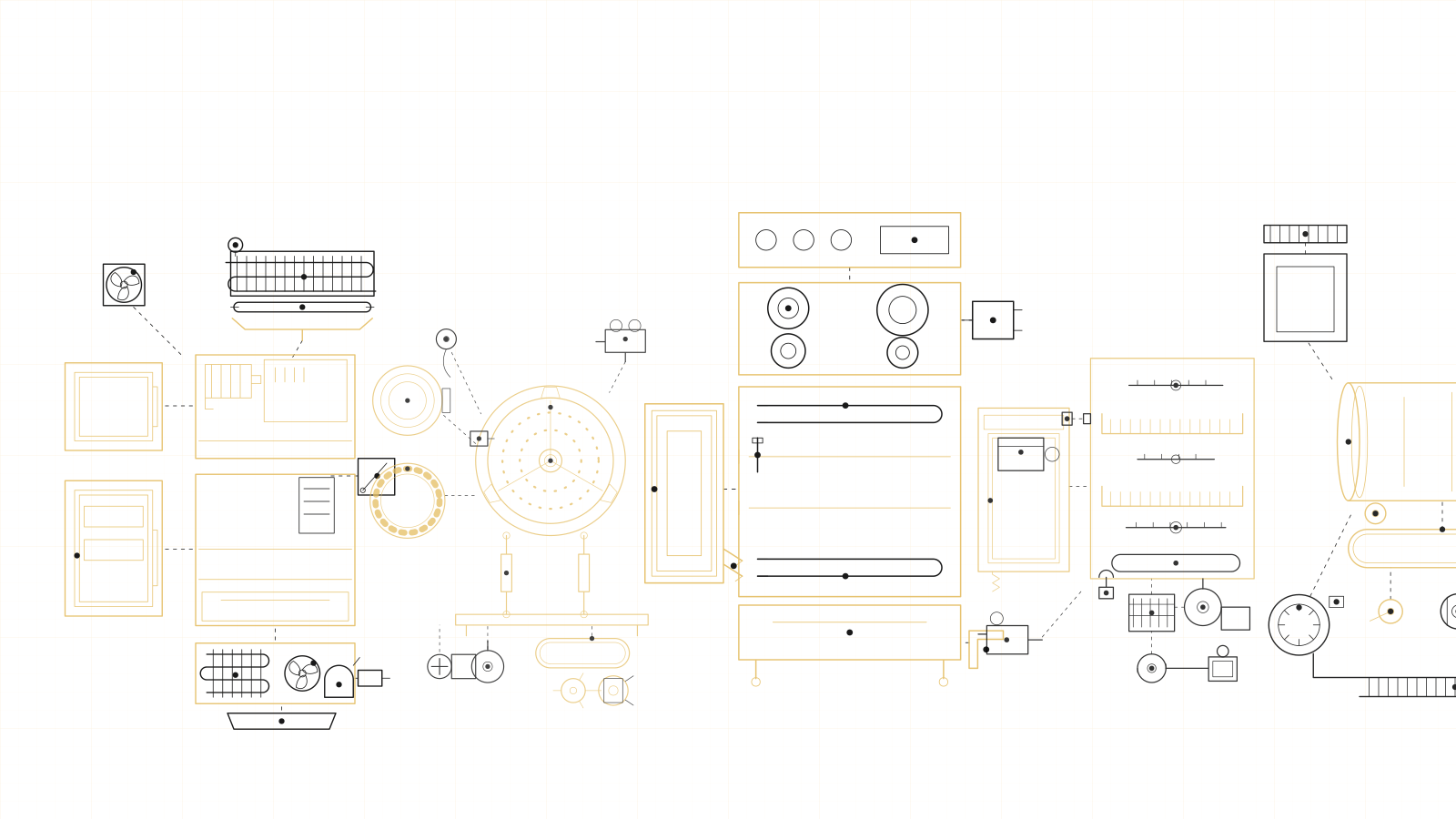
The parts of a freezer that wear out first
- 01Door gasketFrost on the gasket itself is the giveaway: warm air is getting in, and the cabinet takes on moisture all day long.
- 02Door latch and hingeA sagging door or loose latch keeps the seal from pulling tight, so the door either sticks shut under vacuum or swings open.
- 03Evaporator coilWhen ice gathers on the coil instead of the food, airflow across the coil is the first thing to fail.
- 04Evaporator fanIf it stops, the coil stays cold but the cabinet warms, and the contents thaw gradually from the top down.
- 05Defrost heaterWith an open element each automatic defrost accomplishes nothing, and frost builds until the air stops moving.
- 06Defrost thermostatIt never closes, so the heater never receives power: the same symptom as a failed heater at a fraction of the price.
- 07Defrost drain tubeFrozen or clogged, it backs meltwater up to refreeze on the cabinet floor until it eventually reaches the door.
- 08Condenser coilInstalled in a garage or basement, it gathers far more dust than a kitchen unit does and runs almost nonstop.
- 09Condenser fanA fan that slows instead of stopping is the riskier case, since the compressor labors for months before giving out.
- 10Compressor and start relayClick, a second of humming, cut-out, pause: nearly always the start relay and only occasionally the compressor.
- 11Temperature control and thermistorA drifting thermistor holds the cabinet in the wrong range and triggers the high-temperature alarm at the wrong moments.
Sequence of checks
Where a technician starts on a freezer
- What we test, in turn
- the door gasket and the defrost circuit are examined before the sealed system — frost build-up has several possible causes and only one of them is costly
- The symptom owners misjudge
- failure without warning: a garage or basement freezer shows no code and sounds no alarm, so the first clue is usually food that has thawed and frozen again
- Why Long Island matters here
- upright and chest freezers in cold garages and basements, where a Long Island January can stop a single-compressor unit from asking for cooling at all while it shows no fault
Fault register · 40 entries
The freezer failures behind most of our calls
01
Food Softening or Thawing
Priority: criticalIce cream is soft, meat yields to the touch and frozen packs have begun to sweat. The cabinet is well above 0°F, and how quickly it got there helps separate a stopped compressor from a gradual airflow or defrost fault.
- Likely origins
- evaporator coil iced solid from a defrost failure · failed evaporator fan motor · compressor not starting because of a failed start relay · condenser fan stopped or coils clogged · refrigerant leak in the sealed system
- The fix
- Keep the door closed and, if the cabinet is above 40°F for long, move what you can to another freezer or a cooler with ice. We measure cabinet and coil temperatures, check whether the compressor and both fans are running, and remove the evaporator cover to look for ice. The failed component is identified before a price is given, and recovery is monitored after the repair.
02
Holding Above 0°F
Priority: highThe freezer keeps food frozen but runs at 10 to 15°F rather than 0°F. Food stays hard yet loses quality quickly, and ice cream is never firm.
- Likely origins
- condenser coils fouled with dust · condenser fan running slowly · partially iced evaporator · thermostat or sensor set or reading incorrectly · worn door gasket letting in warm air
- The fix
- We place a thermometer in the center of the load for an accurate reading, then check the condenser, both fans and the evaporator for ice. The thermostat setting and the temperature sensor are compared against our reading. Coils are cleaned and any failed fan, sensor or gasket replaced. The freezer is left to recover while we log its temperature back towards zero.
03
Frost Coating Food and Shelves
Priority: highA white frost forms on packages, shelves and the inside of the door faster than it used to. Frost is moisture from room air freezing out, so the question is where that air is coming in, or why it is not being removed.
- Likely origins
- door gasket leaking at one corner · door left ajar or opened very often · defrost system not clearing the evaporator · cabinet not level so the door drifts open · warm, humid air in the room
- The fix
- We check the gasket around its full length with the cabinet lit inside, confirm the door closes on its own from a partly open position, and measure the defrost circuit on frost-free models. Gaskets are replaced or reshaped, and the cabinet is levelled so the door swings closed. The interior is defrosted and the frost rate observed over the following days.
04
Compressor Never Switches Off
Priority: mediumThe freezer hums continuously and the side or back of the cabinet feels warm, but the cabinet never cycles off. It is working at full output and still not reaching its set point.
- Likely origins
- condenser coils clogged · failed condenser fan · door gasket leak · defrost failure icing the evaporator · low refrigerant charge
- The fix
- We clean the condenser and confirm the condenser fan runs, since these account for many cases. The gasket and defrost system are checked next. If airflow and defrost are sound, the sealed system is assessed by temperature measurement across the evaporator and condenser. The cause is repaired and the cycle pattern observed once the cabinet reaches temperature.
05
Water on the Floor or Inside the Cabinet
Priority: highWater appears under the freezer or pools on the bottom shelf. On frost-free models, meltwater from defrost normally drains to a pan, so water somewhere else means that path is blocked or overflowing.
- Likely origins
- defrost drain blocked with ice · drain pan cracked or misplaced · cabinet out of level · door gasket allowing condensation · ice maker supply line leaking
- The fix
- We trace the source by checking the drain, pan, gasket and any water line. A blocked drain is cleared with warm water and the cause of the refreeze, often a failed drain heater, investigated. The pan is replaced if cracked and the cabinet levelled. A forced defrost confirms water drains to the pan.
06
Door Gasket Torn or Hardened
Priority: highThe rubber gasket has split, hardened or pulled away from the door. Warm air enters through the gap, causing frost, longer run times and higher temperatures.
- Likely origins
- age and repeated flexing · tear from food packages · gasket hardened by cleaning chemicals · gasket shrunk from heat · magnetic strip weakened
- The fix
- We inspect the gasket around its full length and check where it no longer meets the cabinet. A replacement gasket is fitted to the door and shaped where needed so it seals evenly. The door alignment is checked. We confirm the seal with a paper test at several points after the gasket has settled.
07
Temperature Swinging Up and Down
Priority: mediumReadings rise and fall more than a few degrees over the day, and some food softens before refreezing. The freezer is cycling irregularly, or a defrost or airflow problem is affecting it intermittently.
- Likely origins
- defrost heater or thermostat failing intermittently · evaporator fan stopping occasionally · door seal leaking · sensor fault · overloaded cabinet blocking airflow
- The fix
- We log cabinet and coil temperatures over several cycles to see whether swings follow defrost, door use or compressor cycling. The fans, defrost components and sensor are tested. The gasket is inspected. The cause is repaired, and a second log confirms temperatures stay within a few degrees.
08
Evaporator Fan Stopped
Priority: highThe fan behind the inner rear panel circulates air across the cold coil. When it stops, the coil gets colder while the cabinet warms, and the usual faint whir is missing when the door switch is pressed.
- Likely origins
- worn fan motor bearings · fan blade blocked by ice · failed motor winding · door switch not signalling closed · control not powering the fan
- The fix
- We press the door switch to see whether the fan should run, then remove the cover and check for ice holding the blade. Supply voltage at the fan and its winding resistance are then measured. A seized or open fan motor is replaced and any ice cleared. With the cover refitted, airflow at the cabinet vents confirms circulation has resumed.
09
Defrost System Not Clearing the Coil
Priority: highOn a frost-free freezer the evaporator is warmed for a short period every few hours to melt its frost. When that stops, the coil gradually encases in ice and airflow through it falls until the cabinet warms.
- Likely origins
- defrost heater open · defrost thermostat failed open · defrost timer or control not initiating · wiring fault at the heater terminals · drain blocked so meltwater refreezes
- The fix
- We remove the evaporator cover and inspect the ice pattern, which shows whether defrost has stopped entirely or partly. The heater, the defrost thermostat and the timer or control are each tested, and the drain checked for blockage. Failed parts are replaced and the coil fully defrosted. A forced defrost cycle confirms the heater clears the coil.
10
Condenser Coils Coated in Dust
Priority: mediumThe condenser releases heat from the freezer into the room. Dust, lint and pet hair on the coils insulate them, so the compressor runs longer and hotter to achieve the same temperature.
- Likely origins
- dust and pet hair build-up · freezer installed in a garage or utility area · condenser fan blocked by debris · coils located beneath the cabinet · no routine cleaning
- The fix
- We unplug the freezer, remove the base grille or rear cover, and clean the coils and fan with brushes and vacuum. The fan is checked for free rotation and speed. Clearances around the cabinet are reviewed, as poor ventilation has a similar effect. The freezer's run time is monitored after cleaning to confirm it has improved.
11
New or Louder Noise
Priority: mediumA buzz, rattle, tick or grind has appeared that the freezer did not make before. Its location and timing, whether it follows the compressor, the fans or the defrost period, usually identify the source before anything is dismantled.
- Likely origins
- fan blade hitting ice · failed fan bearing · compressor mounting loose · drain pan rattling · start relay clicking
- The fix
- We listen with the door closed and open and with the compressor running and stopped, which separates fan noise from compressor and cabinet noise. Fan blades are freed of ice and their bearings checked, compressor mounts and the drain pan are secured, and the start relay is tested if it is clicking. Worn components are replaced, and the freezer runs through a complete cycle while we confirm the noise has gone.
12
Door Not Sealing Against the Cabinet
Priority: mediumThe gasket itself looks fine, but the door does not sit squarely, so there is a gap along one side. Hinge wear, cabinet levelling or a sagging door are typical causes.
- Likely origins
- cabinet not level · worn or loose hinges · door sagging on its hinge pin · items in the door shelf preventing closure · warped door liner
- The fix
- We check the cabinet level front to back and side to side, then examine the hinges and door alignment. Hinges are tightened or replaced, and the door aligned so it meets the gasket evenly. Door shelves are checked for interference. A seal test confirms even contact after correction.
13
Thick Ice on the Interior Walls
Priority: highIce forms in sheets or ridges on the inner walls or rear panel. On frost-free models this signals a defrost or air-leak fault; on manual-defrost models it is a matter of time and use.
- Likely origins
- failed defrost component on frost-free models · door left ajar · gasket leak · drain blocked, refreezing meltwater · high humidity in the room
- The fix
- We first establish whether the cabinet is frost-free or manual-defrost, since the expected behavior differs completely. On frost-free models, the heater, defrost thermostat, control and drain are tested and the failed part replaced. On manual-defrost models, we explain a safe defrost routine and a sensible interval. In both cases the gasket and door closure are checked so moist air is not feeding the ice.
14
Condenser Fan Motor Stopped
Priority: highThe small fan beside the compressor draws room air across the condenser. When it stops, heat builds up, the compressor runs hotter and longer, and the cabinet slowly loses temperature while the base of the freezer feels unusually warm.
- Likely origins
- seized condenser fan motor · blade obstructed by debris or packaging · failed motor winding · loose wiring connector · control or relay not powering the fan
- The fix
- We unplug the freezer, remove the rear access panel and turn the blade by hand to feel for resistance, then restore power and measure voltage at the motor. A seized or open motor is replaced and the condenser cleaned while it is exposed. With the panel refitted, we confirm the fan runs whenever the compressor does and that compressor temperature falls.
15
Compressor Not Running or Seized
Priority: criticalThe cabinet warms, the compressor is silent or clicks without starting, and the condenser stays at room temperature. This may be a starting component, or the compressor itself.
- Likely origins
- failed start relay or overload · open compressor winding · seized compressor · electrical supply problem · failed control not calling for cooling
- The fix
- We test the start relay and overload first, because they are often mistaken for compressor failure, and then measure compressor winding resistance and current draw. If the compressor has failed, we explain the cost of sealed-system replacement against a new freezer before any work. Refrigerant is recovered under EPA Section 608, and recovery after repair is confirmed with logged temperatures.
16
Start Relay or Overload Failed
Priority: highEvery few minutes the compressor clicks, attempts to start, then stops again. The start relay or overload protector is failing to bring the compressor up to speed.
- Likely origins
- failed start relay · weak overload protector · compressor drawing high current · low supply voltage · loose connection at the compressor terminals
- The fix
- We remove the relay and overload, test them and measure supply voltage and current draw as the compressor tries to start. A failed relay or overload is replaced with the matched part. If the compressor still struggles, its windings are checked. We confirm several normal starts and cycles before leaving.
17
Temperature Not Matching the Setting
Priority: highThe freezer runs steadily but settles at a temperature different from the one selected, colder or warmer. The control is regulating, but around a wrong value.
- Likely origins
- failed temperature sensor or thermostat · cold control sensing bulb out of position · control setting changed · control board fault · door gasket leak influencing readings
- The fix
- We compare a calibrated thermometer reading with the setting, then test the sensor resistance or thermostat cut-in and cut-out points. A displaced sensing bulb is refitted in its clip. A failed sensor, thermostat or control is replaced. Temperature is logged over a full day to confirm the freezer holds the set point.
18
Freezer Alarm Sounding
Priority: highAn audible alarm warns that the door is open or the cabinet temperature has risen. A brief alarm after loading is normal; a repeated or continuous alarm points to a fault.
- Likely origins
- door not fully closed · door switch fault · recent warm load raising temperature · cooling fault · sensor fault
- The fix
- We confirm the door closes fully and that the door switch reports its position correctly to the control. Cabinet temperature is measured independently and the sensor tested against it. Any cooling fault found is diagnosed and repaired. The alarm is reset, and we confirm it stays silent through normal door openings and a recovery period.
19
Freezer Completely Dead
Priority: criticalThere is no interior light, no fan or compressor sound and no cooling at all. Either power is not reaching the freezer, often from a tripped GFCI in a garage or basement, or an internal electrical component has failed.
- Likely origins
- tripped GFCI or breaker · damaged power cord · failed control board · failed thermostat · loose internal connection
- The fix
- Keep the door closed to protect the load while the fault is found. We test the outlet, any GFCI and the power cord, then trace the supply through the thermostat or control board to the compressor and fans. The part that has broken the supply is renewed. We start the freezer and confirm the compressor and fans run and the cabinet begins to pull down.
20
Defrost Drain Frozen or Blocked
Priority: mediumWater from each defrost cannot reach the pan beneath the cabinet. It refreezes at the bottom of the evaporator or spills over into the cabinet, where it forms a sheet of ice on the floor of the freezer.
- Likely origins
- ice plug in the drain · food debris in the drain · failed drain heater · drain tube kinked · cabinet out of level
- The fix
- We thaw and clear the drain with warm water, removing any food debris lodged in the opening. On models with a drain heater, the heater is tested and replaced if it has failed, since that is what lets the drain freeze. The tube is checked for kinks and the cabinet levelled. A forced defrost run then shows meltwater arriving in the pan.
21
Door Hard to Reopen After Closing
Priority: lowImmediately after closing, the door seems to hold itself shut and needs a firm pull. When warm air drawn in cools and contracts, it creates a brief vacuum; a pressure-equalizing valve on some models relieves it.
- Likely origins
- normal vacuum after closing · pressure equalizing valve blocked by ice · gasket sticking from residue · gasket frozen to the cabinet · door hinge binding
- The fix
- We explain the normal vacuum effect and check whether it lasts longer than expected. The equalizing valve, where fitted, is cleared of ice. A sticky gasket is cleaned and a frozen one checked for the air leak causing it. Hinges are inspected for binding. The door is opened at intervals after closing to confirm the effort is normal.
22
Door Not Staying Closed
Priority: highThe door drifts open or does not close fully unless pushed firmly. Warm air entering raises the temperature and creates frost around the opening.
- Likely origins
- cabinet levelled with the front too low · worn or bent hinge · door closing cam broken · shelf or bin preventing closure · gasket magnet weakened
- The fix
- We level the cabinet so the door tends to swing closed under its own weight, then inspect the hinges and the closing cam at the bottom hinge. Broken or worn hinge parts are replaced. Bins and shelves are refitted so they do not obstruct the door. The door is released from a partly open position several times to confirm it closes and seals on its own.
23
Compressor Starting and Stopping Rapidly
Priority: highThe compressor runs for only a minute or two, stops, then restarts shortly after. This short-cycling strains the compressor and usually means it is overheating or the control is receiving a false reading.
- Likely origins
- overload tripping from a hot compressor · condenser coils clogged · failed start relay · thermostat bulb or sensor displaced · low supply voltage from an extension lead
- The fix
- We time the cycles and measure compressor temperature and current during each start. The condenser and its fan are cleaned and tested, the start relay and overload checked, and supply voltage measured under load. A displaced sensor or failed relay is corrected. We then observe several full cycles to confirm normal on and off periods.
24
Defrost Never Starting
Priority: highThe defrost heater and its thermostat may be perfectly sound, yet the freezer never enters a defrost period, so frost accumulates steadily on the coil. The timer or adaptive defrost control that schedules defrost has stopped doing its job.
- Likely origins
- mechanical defrost timer stuck · adaptive defrost control board failed · control relay not switching the heater · failed defrost termination input · wiring fault between control and heater
- The fix
- We advance a mechanical timer by hand, or trigger the control's service defrost, and measure whether power reaches the heater. If the heater circuit is sound but never energized in normal running, the timer or control is replaced. The coil is fully defrosted first. We then confirm the next scheduled defrost begins and ends on time.
Further entries on file · 16
- Frost-Free Model Icing Like a Manual One
- Gasket Failing the Paper Test
- Frost Along the Gasket Line
- Frost Returns Despite Working Defrost
- Moisture and Condensation Inside
- Display Reading Wrong Temperature
- Sustained Over-Temperature Alarm
- Chest Freezer Lid or Latch Broken
- Freezer Burn on Stored Food
- Garage Freezer Not Cooling
- Thick Ice Slab in a Manual-Defrost Freezer
- Freezer Tripping the GFCI
- Not Restarting After a Power Cut
- Defrost Cycle Stuck On
- Refrigerant Leak Suspected
- Bad Odour Inside the Freezer
Next step
Sounds like your machine?
A person picks up day or night, seven days a week.
Platforms · 27
Makes of freezer on our books
These 27 names genuinely produce a freezer; a pairing that was never manufactured has no page here.



























Specification
Freezer work, measured
- 1–2 hours
- Usual visit length
- 27
- Brands we repair
- 119
- ZIP codes covered
Consumable and protective parts
On a freezer: Holding Above 0°F · Frost Coating Food and Shelves · Compressor Never Switches Off · Water on the Floor or Inside the Cabinet
Motors, pumps and mechanical assemblies
On a freezer: Food Softening or Thawing · Holding Above 0°F · Compressor Never Switches Off · Temperature Swinging Up and Down
Control electronics and boards
On a freezer: Food Softening or Thawing · New or Louder Noise · Condenser Fan Motor Stopped · Compressor Not Running or Seized
Sealed cooling circuit
On a freezer: Food Softening or Thawing · Holding Above 0°F · Frost Coating Food and Shelves · Compressor Never Switches Off
Service areas
Towns we cover for freezer repair
- Great Neck
- Mineola & Garden City
- Hempstead
- Floral Park & Franklin Square
- Freeport & Baldwin
- Hewlett & East Rockaway
- Lynbrook & Rockville Centre
- Glen Cove
- Merrick & Bellmore
- Roslyn
- Westbury
- Bethpage & Farmingdale
- Hicksville
- Levittown & Wantagh
- Massapequa & Seaford
- Oyster Bay & Syosset
- Babylon & Lindenhurst
- Bay Shore & Islip
- Brentwood & Central Islip
- Commack & Deer Park
- Huntington
- Northport & Kings Park
- Lake Grove & Hauppauge
- Farmingville, Holtsville & Medford
- Patchogue & Sayville
- Bellport & Brookhaven
- Port Jefferson & Stony Brook
- Rocky Point & Wading River
Further reading
Notes written at the bench
Freezer · Long Island
Servicing the freezer on Long Island
The freezer symptom that misleads most
Whatever the brand, the freezer problem most frequently misjudged is failure without warning: a garage or basement freezer shows no code and sounds no alarm, so the first clue is usually food that has thawed and frozen again. Getting it wrong matters, because a mistaken reading leads to a mistaken part, and on a freezer that part is often the costliest in the machine.
Reading an appliance by its noises
A new noise is the least expensive warning an appliance can offer, and in Long Island it is the warning most often ignored until it stops being inexpensive. A bearing that has just begun to rumble can still be replaced on its own; leave it for a season and it takes the drum, shaft or motor down with it.
Sounds are also easy to pin down. A rhythmic noise that follows the drum, a whine that rises with pump speed, a click as a cycle begins and a rattle that appears only under load point to four separate components. Telling us when the noise happens, rather than how it sounds, is what lets us bring the correct part.
In Long Island, water gets blamed more than anything else and misjudged nearly as often. Public groundwater here is generally soft enough that hardness seldom accounts for a failure by itself, whereas a private well a few miles off may be hard, high in iron, or both, and a main that has just been flushed can send a week of discolored water into a machine that is working perfectly. Two homes with identical appliances and identical symptoms may therefore need quite different repairs, which is why we ask what the property is connected to.
Scale, where it exists, accumulates gradually, so there is no single day on which things break — performance slides until the appliance tips over into a fault code, by which time the display is describing an electronic fault that began as a mechanical one. The casualties never vary: heating elements, inlet valves, pressure and turbidity sensors, and any narrow channel that carries pressurized water. On a dishwasher, matching the machine's built-in hardness setting to the actual supply is worthwhile, and many installers never touch it; where the model allows, we adjust it during the visit at no extra cost.
Of all appliance faults in Long Island, a restricted vent is the one most frequently missed, and often it has been "fixed" twice before we arrive. The giveaway is a dryer that heats properly at the beginning of a cycle and then shuts off, or one that finishes the full cycle and hands back a load that is warm but still wet.
Our order is the transition hose behind the dryer, then the duct run, then the outside hood — which in January may be iced shut as easily as clogged with lint, with exactly the same result. A dryer wants rigid or semi-rigid metal duct, the shortest route available and an outlet that genuinely opens; what it usually gets is foil accordion hose crammed into the space behind it. When the run is simply longer than the appliance can manage, we tell you — that is a ducting issue, and no replacement thermal fuse will cure it.
Book a visit
Describe the machine, then add contact details. Booking is free and places you under no obligation. You can also phone (631) 729-9995 and a dispatcher will note everything for you.
Arrange a freezer visit
Two short steps. No cost and no obligation to book.
- Answered 24/7
- 3-hour arrival window
- Price approved first